Caring for Alocasia Black Velvet: The Ultimate Alocasia Plant Care Guide

If you’ve recently welcomed an Alocasia Black Velvet into your home or are thinking about it, you’re in for a treat. This stunning plant, with its velvety dark leaves and striking silver veins, is a favorite among plant lovers. But like any beautiful plant, it needs the right care to thrive. I’m here to walk you through everything you need to know about caring for your Alocasia Black Velvet, making sure it stays healthy and vibrant.
Understanding Alocasia Plant Care Basics
Before diving into specifics, it’s important to understand the general needs of Alocasia plants. These tropical beauties come from humid, warm environments, so replicating those conditions indoors is key. They love bright, indirect light, warm temperatures, and consistent moisture without being waterlogged.
Here are some essentials to keep in mind:
Light: Bright but indirect sunlight is best. Direct sun can scorch the leaves.
Temperature: Keep your plant in a warm spot, ideally between 65°F and 80°F.
Humidity: High humidity is crucial. Aim for 60% or higher.
Soil: Use well-draining, rich soil that retains moisture but doesn’t stay soggy.
Fertilizer: Feed monthly during the growing season with a balanced, diluted fertilizer.
By focusing on these basics, you’ll create a nurturing environment for your Alocasia Black Velvet to flourish.
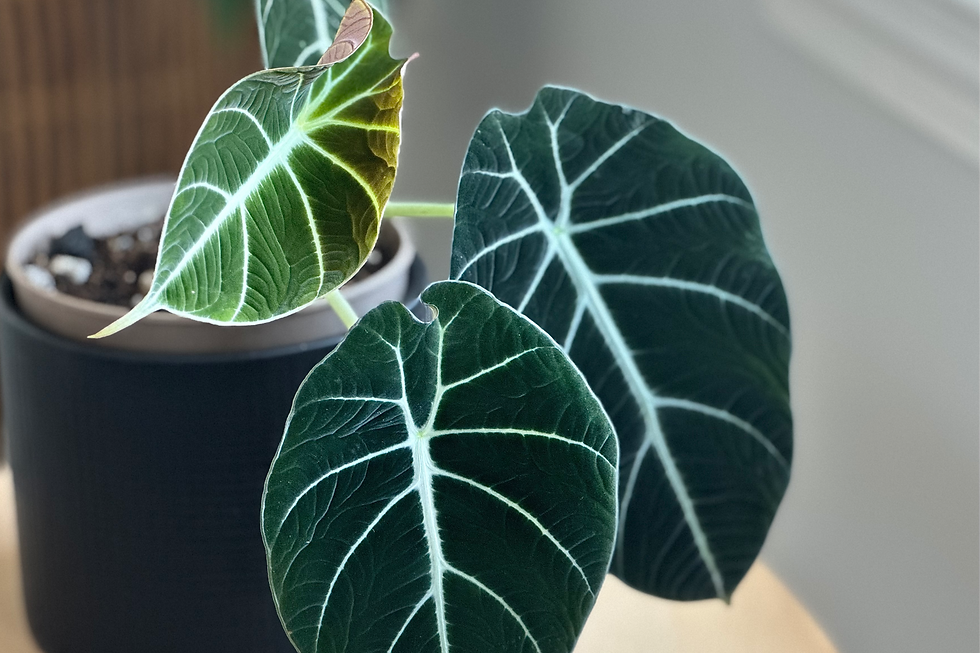
Creating the Perfect Environment for Your Alocasia Black Velvet
One of the most important parts of alocasia plant care is setting up the right environment. Alocasia Black Velvet thrives in conditions that mimic its natural tropical habitat. Here’s how you can create that at home:
Light: Place your plant near a north or east-facing window where it can get plenty of indirect light. If your home is darker, consider using a grow light to supplement.
Humidity: If your home is dry, especially in winter, use a humidifier or place a tray of water near the plant. Grouping plants together can also help increase humidity naturally.
Temperature: Avoid cold drafts and sudden temperature changes. Keep your plant away from air conditioners or heaters.
Air Circulation: Good airflow helps prevent fungal issues but avoid placing your plant in a spot with strong winds.
Remember, the key is balance. Too much sun or dry air can stress your plant, while too little light or poor drainage can stunt its growth.
How Often Do You Water Alocasia Black Velvet?
Watering is often the trickiest part of caring for Alocasia Black Velvet. These plants like their soil to be consistently moist but never soggy. Overwatering can lead to root rot, while underwatering causes the leaves to droop and dry out.
Here’s a simple watering routine to follow:
Check the soil: Stick your finger about an inch into the soil. If it feels dry, it’s time to water.
Water thoroughly: When watering, do so until water drains out of the bottom of the pot. This ensures the roots get enough moisture.
Drain excess water: Never let your plant sit in standing water. Empty the saucer after watering.
Adjust with seasons: Water less in winter when the plant’s growth slows down.
If you’re unsure, it’s better to underwater slightly than to overwater. Your plant will give you signs if it’s thirsty, like curling leaves or browning edges.

Feeding and Fertilizing Your Alocasia Black Velvet
Feeding your Alocasia Black Velvet is essential to keep it lush and healthy. During the growing season (spring and summer), your plant will benefit from regular feeding. Here’s what I recommend:
Use a balanced liquid fertilizer diluted to half strength.
Feed once a month to provide essential nutrients.
Avoid fertilizing in fall and winter when the plant is dormant.
If you notice yellowing leaves or slow growth, it might be a sign your plant needs more nutrients.
Remember, too much fertilizer can harm your plant, so always follow the recommended dosage. Feeding your Alocasia Black Velvet regularly but gently will encourage vibrant leaves and steady growth.
Repotting and Pruning Tips for a Thriving Plant
Repotting your Alocasia Black Velvet every 1-2 years helps keep the roots healthy and gives your plant room to grow. Here’s how to do it right:
Choose a pot that is 1-2 inches larger in diameter than the current one.
Use fresh, well-draining potting mix rich in organic matter.
Gently remove the plant from its old pot, loosen the roots, and place it in the new pot.
Water thoroughly after repotting.
Pruning is also important to maintain the plant’s shape and health:
Remove yellow or damaged leaves promptly.
Use clean, sharp scissors or pruning shears.
Pruning encourages new growth and keeps your plant looking its best.
By repotting and pruning carefully, you’ll help your Alocasia Black Velvet stay strong and beautiful.
Troubleshooting Common Issues with Alocasia Black Velvet
Even with the best care, sometimes problems arise. Here are some common issues and how to fix them:
Yellow leaves: Often a sign of overwatering or poor drainage. Check your watering routine and soil.
Brown leaf edges: Usually caused by low humidity or underwatering. Increase humidity and water more consistently.
Pests: Watch for spider mites, aphids, or mealybugs. Wipe leaves with a damp cloth and use insecticidal soap if needed.
Drooping leaves: Can indicate underwatering, overwatering, or low light. Adjust care accordingly.
Don’t worry if your plant has a rough patch. With a little attention and patience, it will bounce back.
If you want a perfect soil for your alocasia plant, I highly recommend checking out this alocasia super soil mix for healthy and happy growth.
Bringing It All Together: Your Alocasia Black Velvet Journey
Caring for an Alocasia Black Velvet is a rewarding experience. With its unique beauty and lush foliage, it’s a plant that brings life and elegance to any space. By focusing on the right light, humidity, watering, feeding, and occasional pruning, you’ll create a thriving environment for your plant.
Remember, every plant is a little different, and part of the joy is learning what your Alocasia Black Velvet needs. Be patient, observe closely, and enjoy the process. Your care will be rewarded with a stunning, healthy plant that you can be proud of.
Happy planting!


Comments